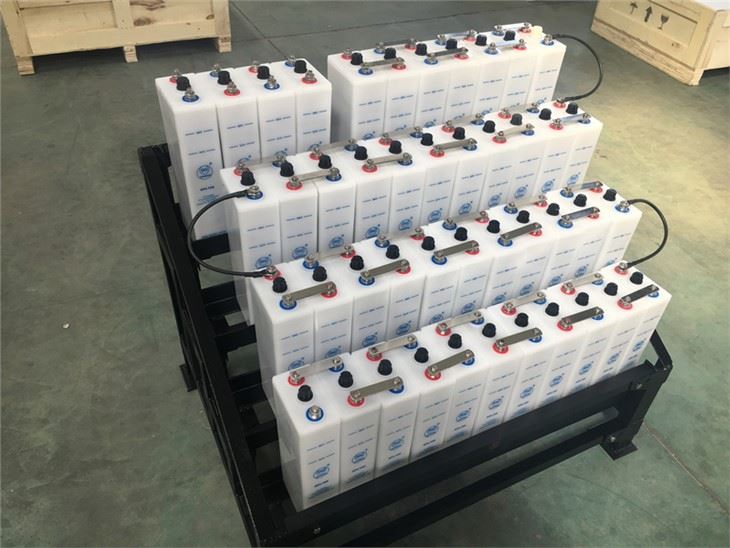
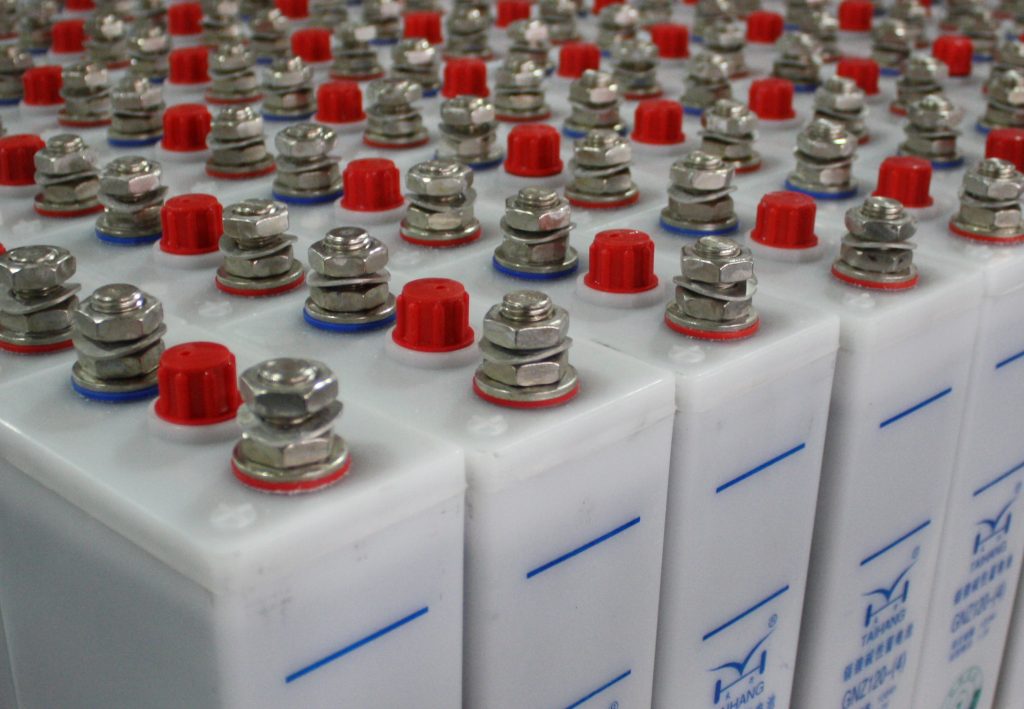
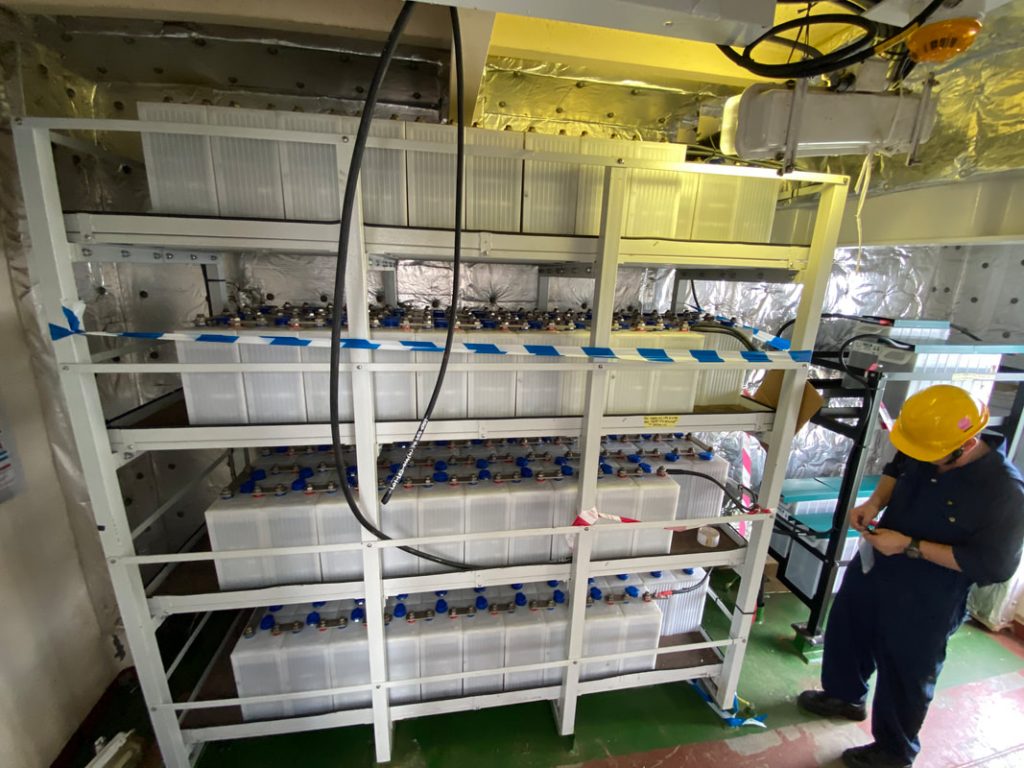
What is the Difference Between Lead Acid and Nickel-Cadmium (NiCad) Generator Batteries?
What is the Difference between Lead Acid and Nickel-Cadmium Batteries?
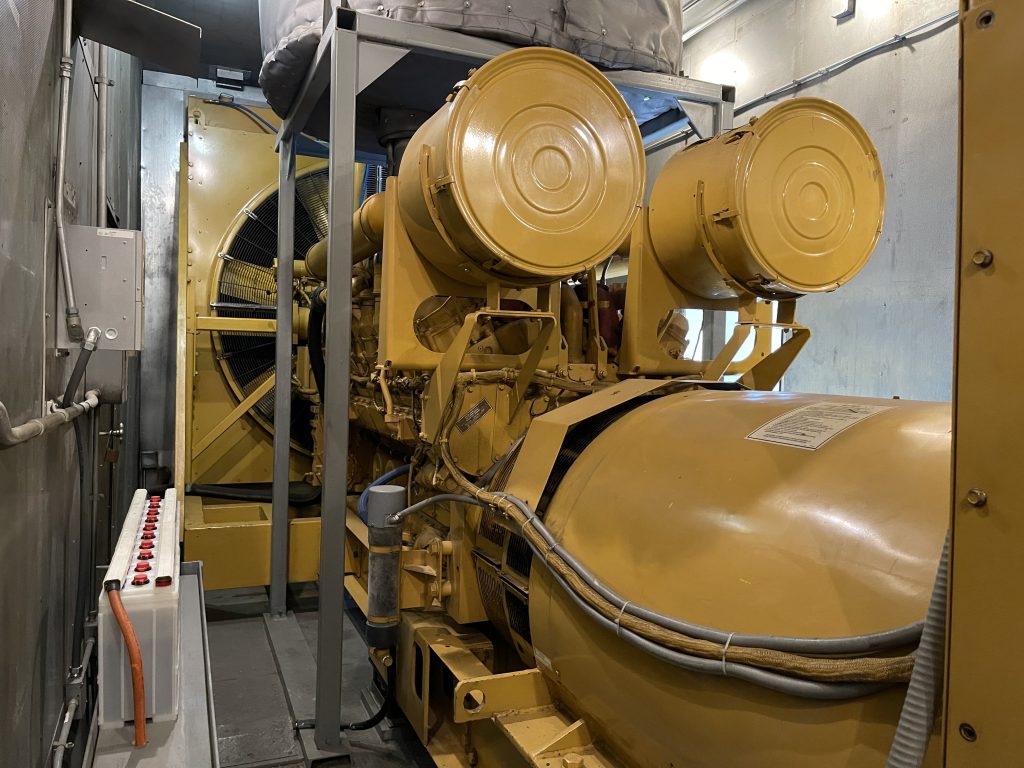
If you have a generator, you need a starter battery. But what kind should you get? NiCd or lead-acid? Both have their pros and cons, so it’s important to choose the right one for your needs.
Here’s a quick rundown of the differences between these two types of batteries so you can decide which one is right for your generator.
Lead-Acid Batteries
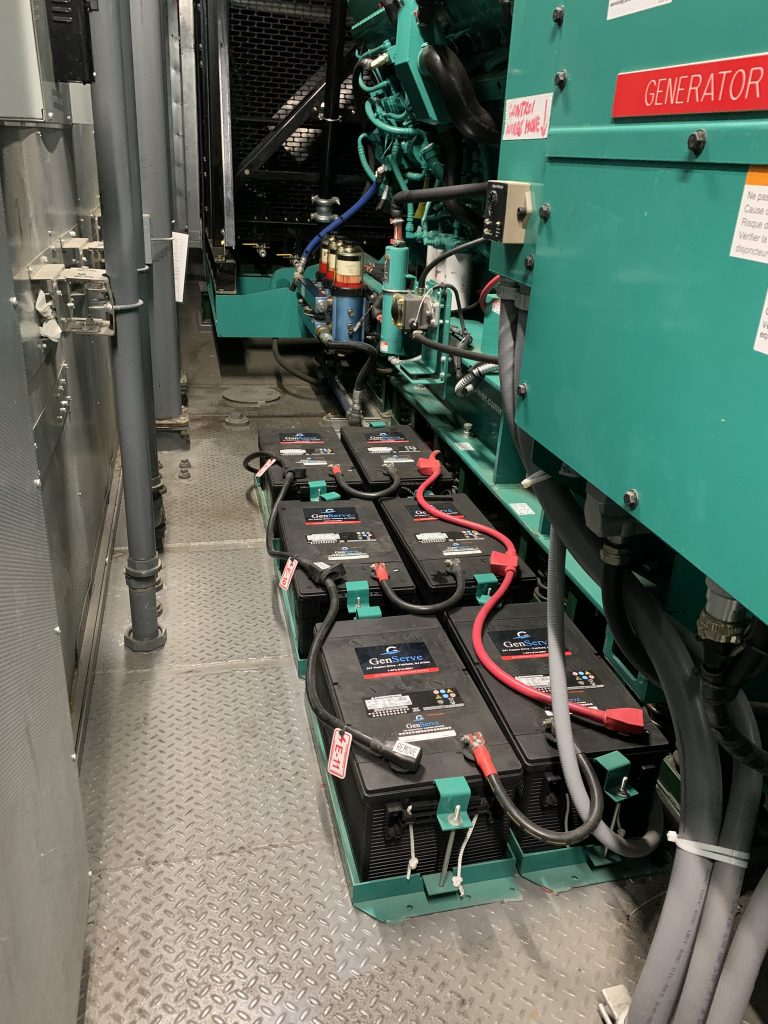
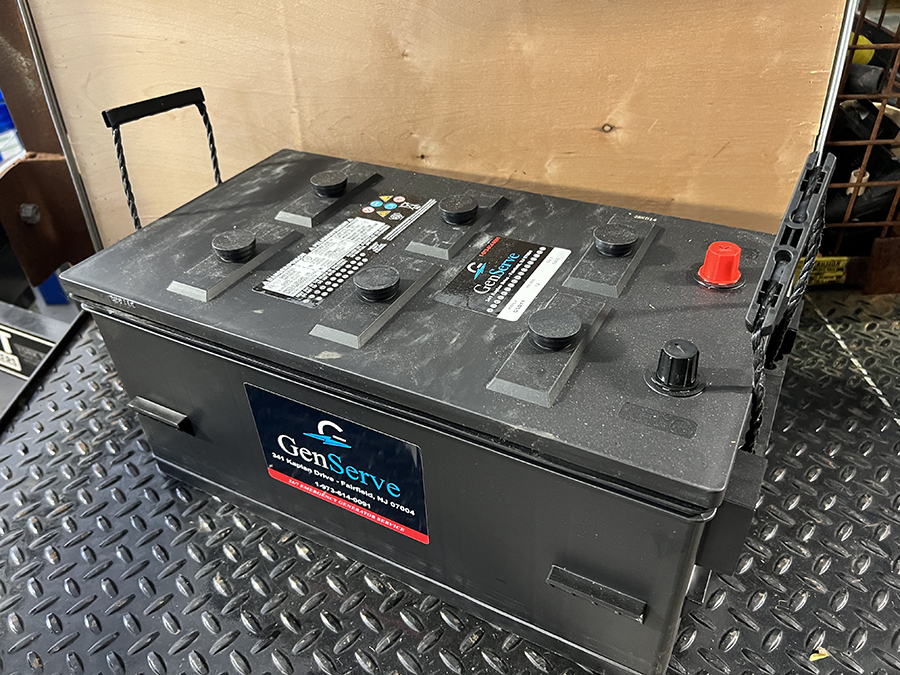
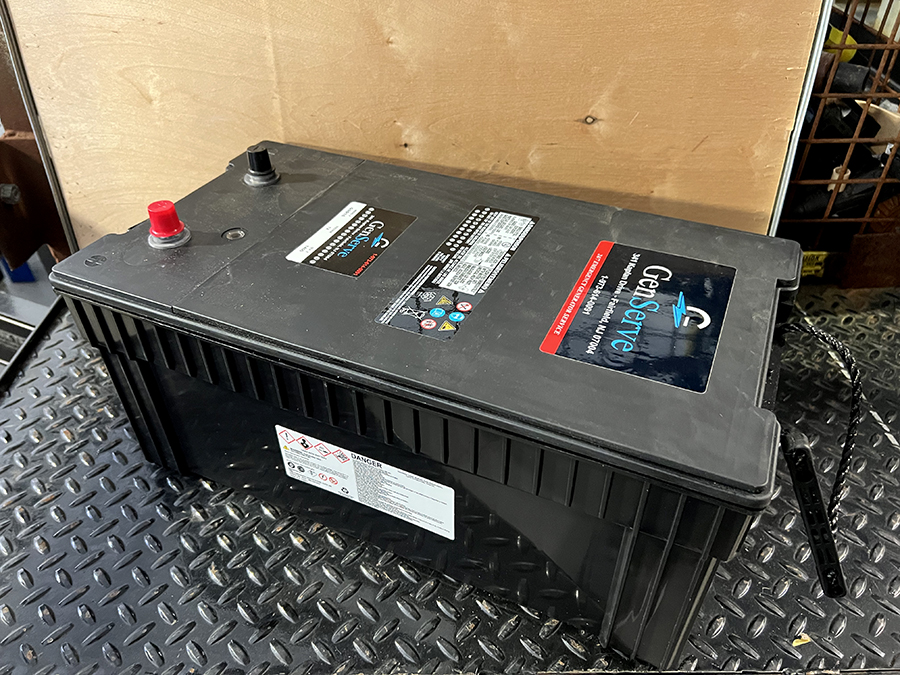
Lead-acid batteries are the most common type of battery used in generator systems.
They are also used in cars and trucks. Lead-acid batteries have some advantages and disadvantages.
They are typically less expensive than other types of batteries and have a lifespan. of about 2-3 years. However, lead-acid batteries require more maintenance during that time than other types of batteries, and are not as efficient as nickel-cadmium batteries.
How Do Lead-Acid Batteries Work?
Lead-acid batteries are the oldest type of rechargeable battery. Lead-acid batteries were invented in 1859 by French physicist Gaston Planté and are the forerunners of the modern automobile battery and are still primarily used in vehicles.
Lead-acid batteries contain lead and sulfuric acid. The lead serves as a positive electrode, and sulfuric acid is used as an electrolyte. When lead and sulfuric acid are combined, they create a chemical reaction that produces electricity.
Advantages
Lead-acid batteries have several advantages over nickel-cadmium batteries:
• They are less expensive than nickel-cadmium batteries. However, due to the shorter lifespan, the cost can be higher than a nickel-cadmium battery.
• They are less likely to suffer from self-discharge, meaning they can hold their charge for extended periods (about 3-4% per month).
• They can provide a large amount of power when needed.
• They are easier to dispose of and recycle than nickel-cadmium batteries.
Disadvantages
Lead-acid batteries have some disadvantages when compared to nickel-cadmium batteries. This includes:
• They are heavier than nickel-cadmium batteries.
• They have a shorter life cycle.
• They are more likely to leak acid, which can damage the device.
• They also require regular maintenance, such as topping up the water level and cleaning the terminals.
• They are more sensitive to temperature changes, which can shorten their lifespan.
• They can produce hydrogen gas when charging, which can be explosive if it builds up in a confined space.
• They are not suitable for fast charging.
How Do Nickel-Cadmium Batteries Work?
Nickel-cadmium batteries also work by the process of electrolysis, which is the movement of ions between two electrodes in an electrolyte solution. The positive electrode is made of nickel oxide hydroxide, and the negative electrode is made of cadmium metal. The electrolyte is an alkaline solution.
When the battery is charged, nickel ions migrate from the negative electrode to the positive electrode, and cadmium ions migrate from the positive electrode to the negative electrode. The process is reversed when the battery is discharged, and nickel and cadmium ions migrate back to their respective electrodes.
Advantages
Nickel-cadmium batteries have many advantages over lead-acid batteries, including:
• They are more resistant to temperature extremes, so they can be used in a broader range of environments.
• They have a higher power density, meaning they can store more energy per unit of weight than lead-acid batteries.
• They are less likely to self-discharge, so they can be stored for longer periods without losing their charge.
• They are less harmful to the environment than lead-acid batteries since they do not contain lead.
• They can be charged faster than lead-acid batteries.
• They have a longer life cycle of up to 15-20 years, depending on their environment and use.
• They also have a high discharge rate, meaning they can release energy faster.
Disadvantages
Nickel-cadmium batteries also have some disadvantages:
• They are more expensive than lead-acid batteries. But since they have a longer lifespan than lead-acid batteries.
• They have a higher self-discharge rate.
• They are more harmful to the environment as they contain toxic metals.
Lead-acid and nickel-cadmium batteries are two of the most common types of rechargeable batteries. Both have pros and cons, but which is best for you depends on your specific needs.
So, Which One Is The Better Starter Battery For Your Generator: Lead-Acid Or Nickel-Cadmium Batteries?
There is no easy answer to that. But there are a few key things to remember when deciding which type of battery to get for your generator system. Lead-acid batteries tend to be more affordable, but they also need to be regularly maintained. NiCd batteries are more expensive, but they don’t require maintenance and have a longer lifespan.
In general, NiCd batteries are a better choice for generators used regularly, while lead-acid batteries are a better choice for generators used infrequently.
Ultimately, the decision comes down to what is most important to you. If affordability is key, go with a lead-acid battery. If you want a hassle-free experience, go with a NiCd battery.
Schedule Service Today
Always follow the battery and generator manufacturers recommendations for battery maintenance and replacement.
Important things to test and document monthly to be in compliance should include: Date and time of battery test, voltage, age, cold cranking amps and outdoor temperature for batteries located outdoors.
Don’t wait any longer, contact our service department today with questions and to schedule preventative maintenance service.